Nyelv
Nyelv 
Igen – a földalatti csőfűtés az egyik legmegbízhatóbb és legköltséghatékonyabb módszer, amellyel megakadályozható, hogy hideg télen befagyjanak a földbe fektetett víz-, csatorna- és közműcsövek. Ha a talajhőmérséklet 0°C (32°F) alá esik, a védetlen csövek megrepedhetnek, szétrepedhetnek vagy teljesen eltömődhetnek, ami költséges javításokhoz és veszélyes üzemzavarokhoz vezethet. Egy dedikált telepítéssel földalatti csöves fűtés rendszerrel az ingatlantulajdonosok állandó csőhőmérsékletet tarthatnak fenn, biztosíthatják a folyamatos vízáramlást, és elkerülhetik a befagyott infrastruktúra katasztrofális következményeit.
Mi az a földalatti csőfűtés és hogyan működik?
Föld alatti csöves fűtés A lefagyás elkerülése érdekében közvetlenül a föld alá süllyesztett csövekre vagy azok köré szerelt elektromos vagy folyadék alapú fűtési rendszerek használatára utal. A rendszer a minimális hőmérséklet fenntartásával működik a cső felülete mentén, függetlenül attól, hogy a környező talaj mennyire hideg lesz. A legtöbb modern rendszer önszabályozó – növeli a hőteljesítményt, amikor a hőmérséklet csökken, és csökkenti, amikor a körülmények felmelegednek, így biztonságosak és energiahatékonyak.
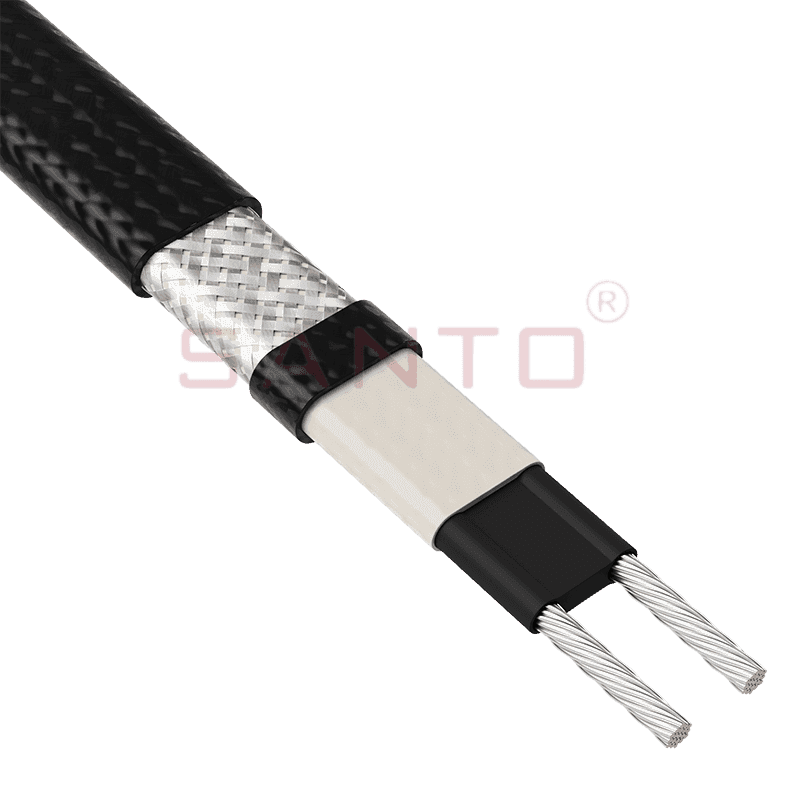
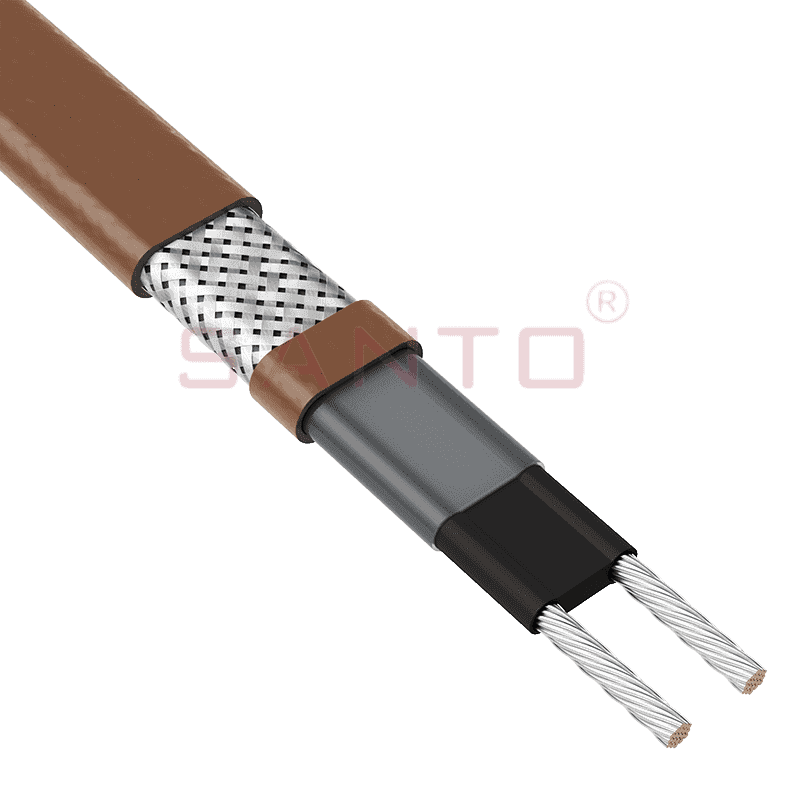
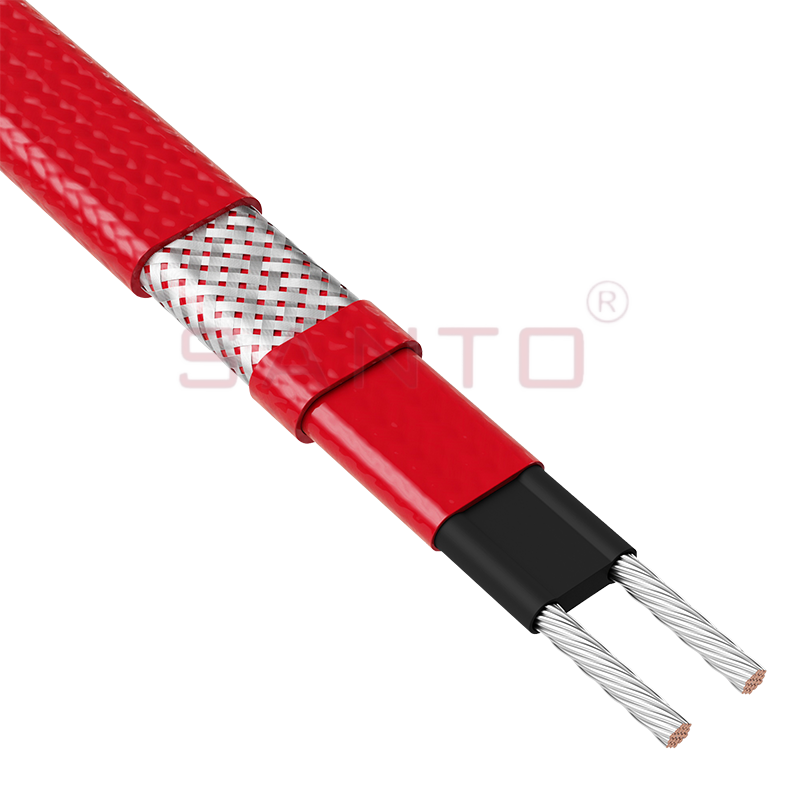
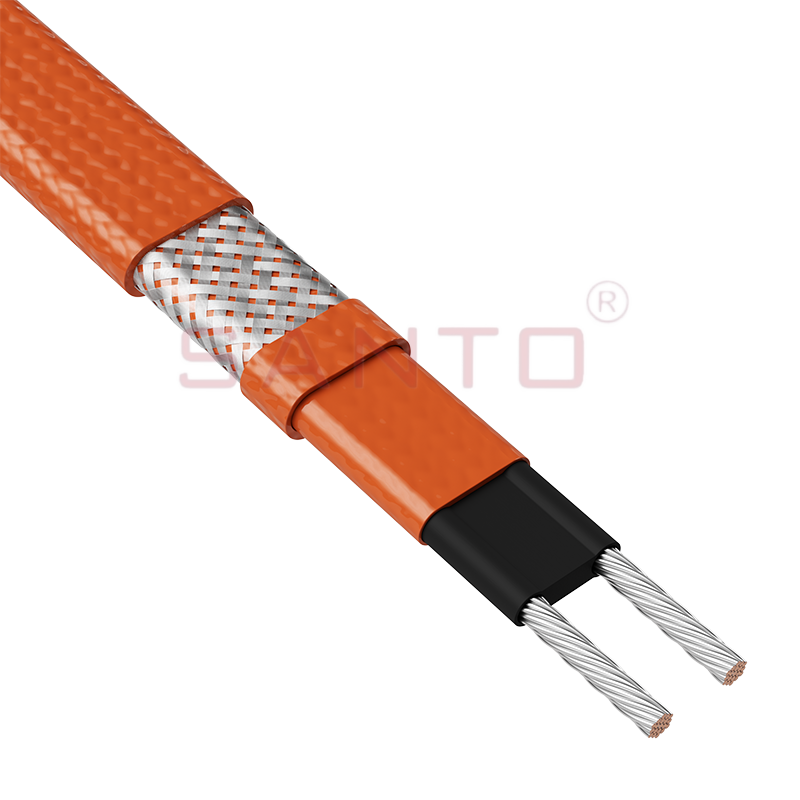
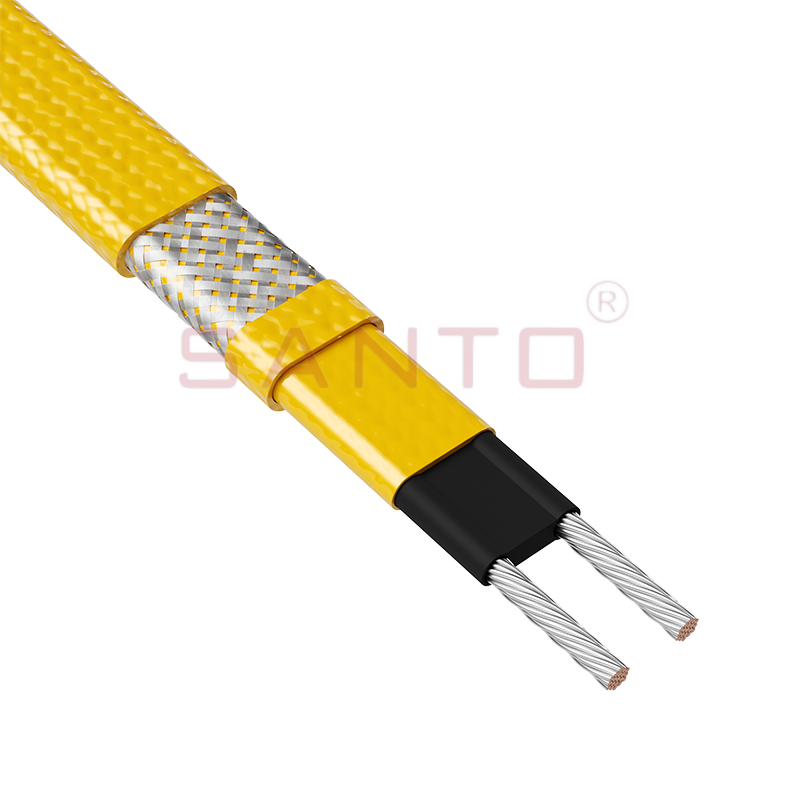
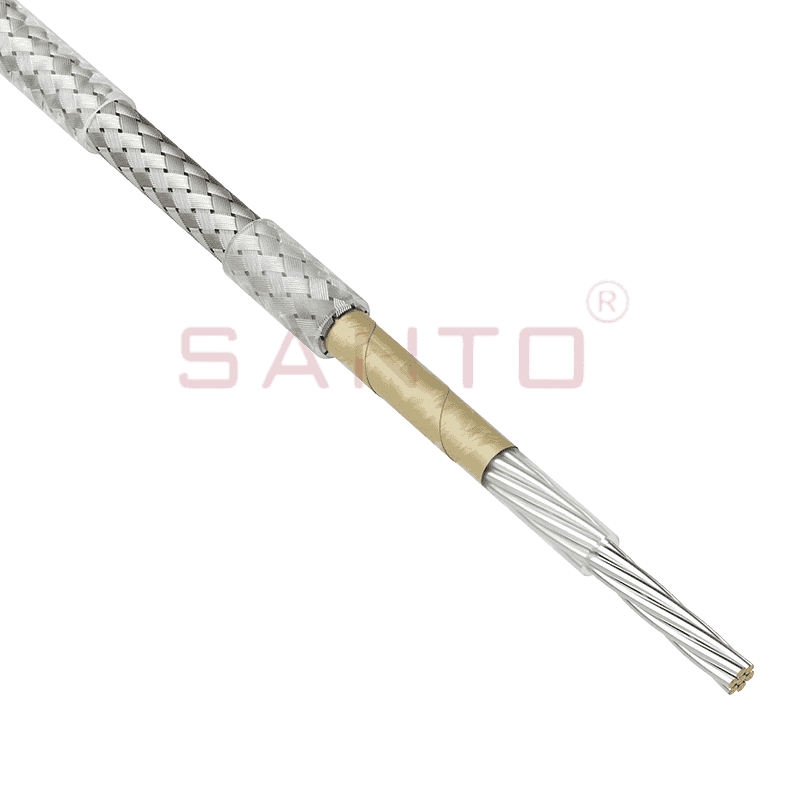
A leggyakoribb mechanizmus magában foglalja a hőnyomkábel — a cső köré tekert vagy azzal párhuzamosan futó speciális elektromos kábel. A kábel az ellenálláson keresztül hőt termel, és azt közvetlenül a csőfalhoz továbbítja. A fejlettebb rendszerek olyan érzékelőket és termosztátokat tartalmaznak, amelyek a valós idejű talajhőmérséklet-leolvasások alapján automatikusan aktiválják és deaktiválják a fűtőelemet.
Nagyszabású ipari alkalmazásokban, mint például települési vízvezetékek vagy olajvezetékek, forró folyadék nyomkövetése helyett használják – ahol egy felmelegített folyadék (általában gőz vagy forró víz) áramlik egy párhuzamos csövön keresztül, amely a főcső mellett halad, és a hővezetésen keresztül hőt ad át.
A földalatti csőfűtési rendszerek típusai
A földalatti csőfűtési rendszereknek három fő típusa létezik, amelyek mindegyike különböző csőméretekhez, költségvetéshez és felhasználási esetekhez alkalmas. A különbségek megértése segít kiválasztani az egyedi igényeinek leginkább megfelelő rendszert.
| Rendszer típusa | Energiaforrás | Legjobb For | Tipikus költségtartomány | Önszabályozó? |
|---|---|---|---|---|
| Önszabályozó hőnyomkövető kábel | Elektromos | Lakossági és kiskereskedelmi | 5–15 dollár lineáris lábonként | Igen |
| Állandó teljesítményű hőkábel | Elektromos | Hosszú csővezetékek, ipari | 8–20 dollár lineáris lábonként | Nem |
| Forró folyadék / gőz nyomkövetés | Termikus folyadék vagy gőz | Nagyméretű ipari csővezetékek | 20–60 dollár lineáris lábonként | A vezérlőrendszertől függ |
1. Önszabályozó hőnyomkövető kábel
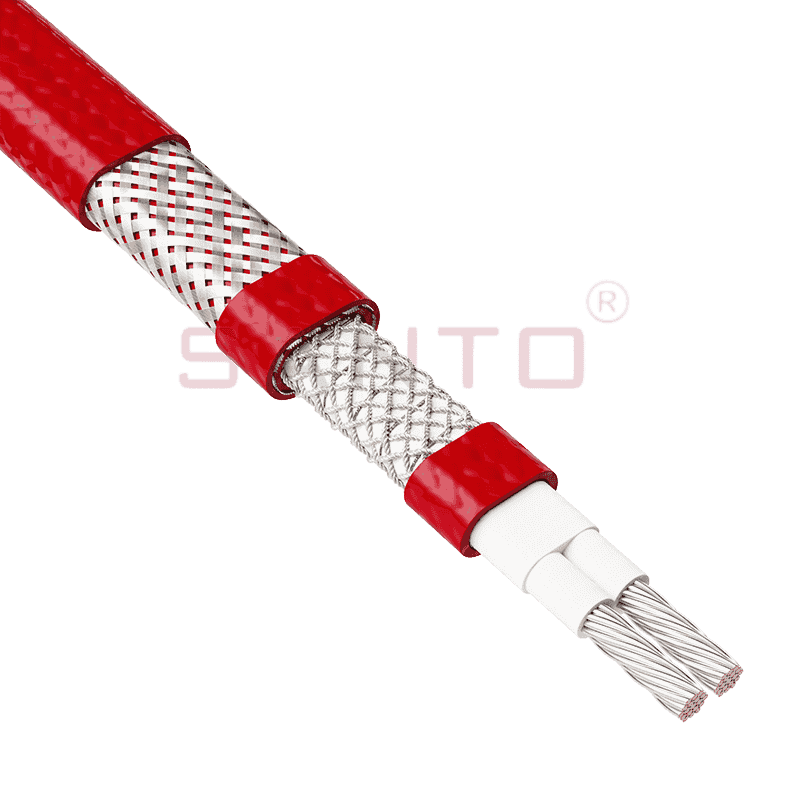
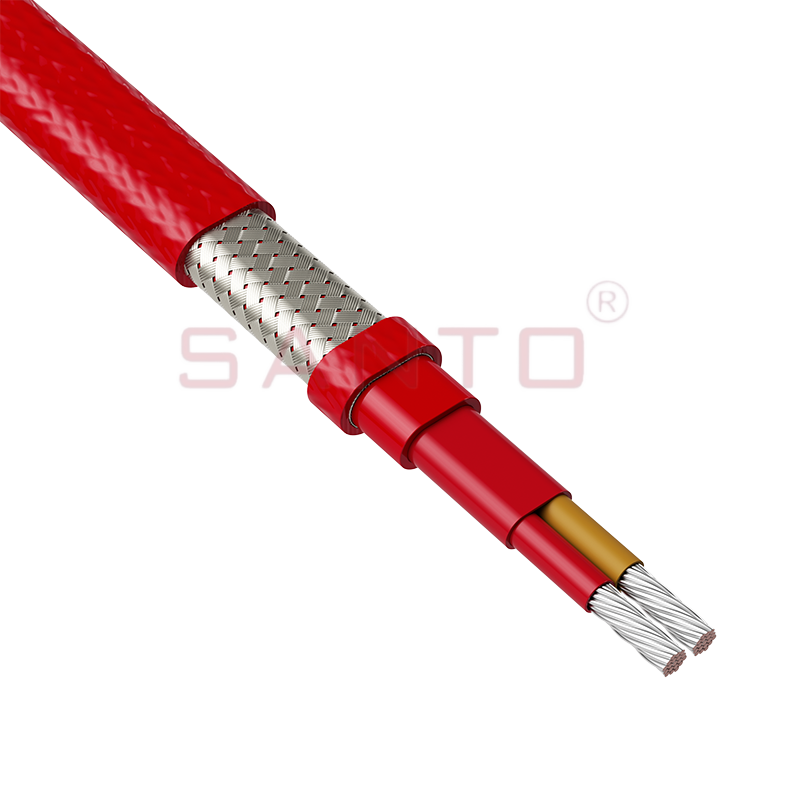
Az önszabályozó hőnyomkövető kábel a legnépszerűbb választás lakossági földalatti csőfűtéshez, mivel automatikusan beállítja a teljesítményt a környező hőmérséklet alapján. A két buszvezeték között vezetőképes polimer magból készült kábel több hőt termel a hidegebb zónákban, és kevesebb hőt a melegebb területeken ugyanazon a távon. Ez megakadályozza a túlmelegedést és jelentősen csökkenti az energiafogyasztást. Egy 100 méteres lakóépület általában 3 és 8 wattot használ lábonként, és durván 300-800 wattot fogyaszt óránként csúcsüzem közben.
2. Állandó teljesítményű hőkábel
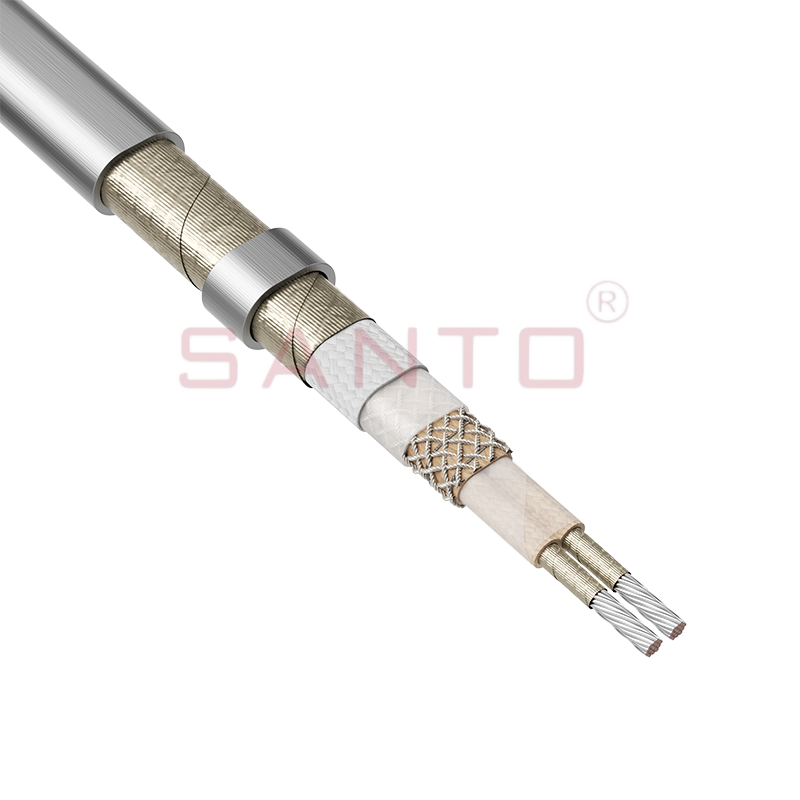
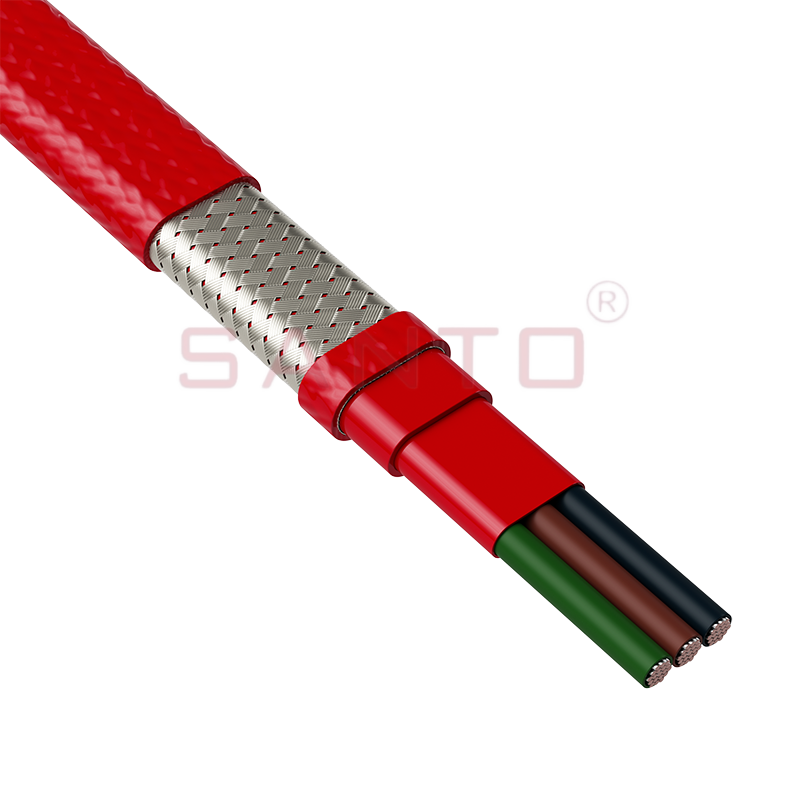
Az állandó teljesítményű hőkábelek lineáris lábonként meghatározott mennyiségű hőt szolgáltatnak, függetlenül a környezeti hőmérséklettől, így alkalmasak hosszú ipari csővezetékekre, ahol elengedhetetlen a folyamatos hőszállítás. Ezek a kábelek strapabíróak, és jelentős feszültségesés nélkül több ezer láb hosszúak, ezért olajmezőkön, finomítókban és önkormányzati közműhálózatokban használják őket. Azonban gondosabb telepítést igényelnek a forró pontok elkerülése érdekében, és termosztatikus vezérléssel kell őket használni, hogy elkerüljék a túlmelegedést magasabb környezeti hőmérsékleten.
3. Forró folyadék nyomkövetése (gőz vagy forró víz)
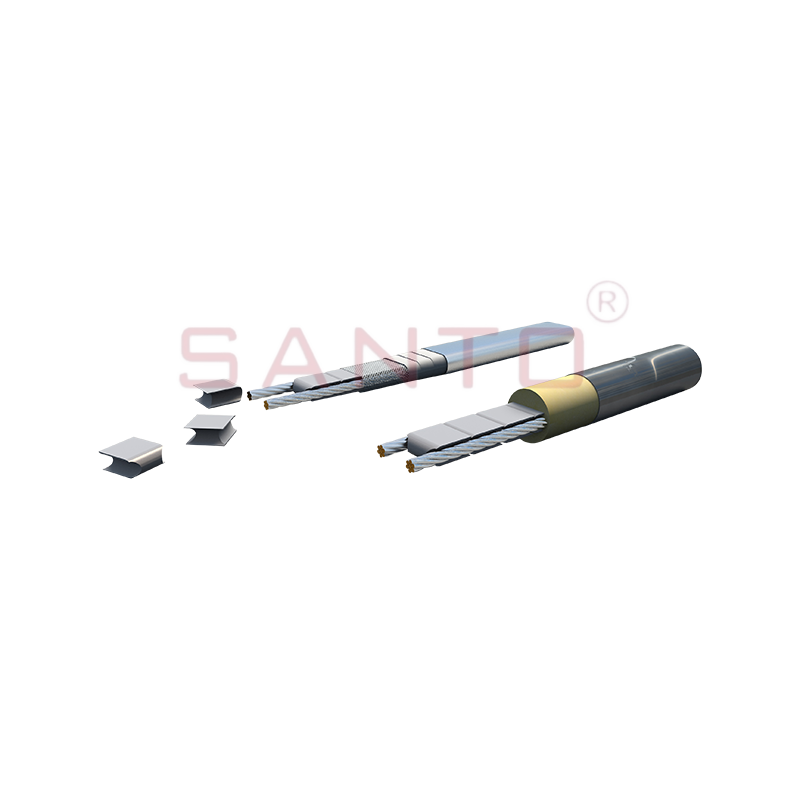
A forró folyadék nyomkövetése az előnyben részesített megoldás a nagyméretű földalatti csőfűtéshez olyan ipari környezetben, ahol az elektromos áram nem elérhető vagy nem praktikus. A fő csővezetékkel párhuzamosan egy másodlagos cső fut, amely felmelegített olajat, vizet vagy gőzt szállít. A hőátadás fémbilincseken vagy az érintkezési pontokon alkalmazott vezetőképes keveréken keresztül vezet. Ezzel a módszerrel a csövek hőmérséklete még extrém mínusz körüli körülmények között is jóval 100°F (38°C) felett marad, így alkalmas örökfagyos környezetben vagy sarkvidéki csővezeték-infrastruktúrára.
Hol használják leggyakrabban földalatti csőfűtést?
A földalatti csőfűtést a lakossági, kereskedelmi és ipari alkalmazások széles körében alkalmazzák mindenhol, ahol az eltemetett csövek fagyásveszélynek vannak kitéve. A gyakori alkalmazások a következők:
- Lakossági vízvezetékek — különösen olyan otthonokban, ahol a csövek mélysége alacsony (36 hüvelyknél kisebb) északi éghajlaton
- Csatorna és lefolyó csövek — a fagyott szennyvíz okozta dugulások megelőzése a kültéri vagy részben szabadon lévő pályákon
- Városi vízvezetékek — a városi infrastruktúra védelme a fagyás okozta szünetekkel szemben, amelyek egész városrészeket érinthetnek
- Mezőgazdasági öntözőrendszerek — a vonalak üzemben tartása kora tavaszi vagy késő őszi fagyok idején
- Ipari folyamatok csővezetékei — viszkozitás és áramlás fenntartása az olaj-, vegyi- és üzemanyag-vezetékekben hideg területeken
- Tűzoltó rendszerek — annak biztosítása, hogy a sprinkler ellátó vezetékek működőképesek maradjanak a hideg időjárási vészhelyzetekben
Olyan régiókban, mint Kanada, Skandinávia, Oroszország és az Egyesült Államok északi része, földalatti csöves fűtés nem választható – ez az építési szabályzat előírása sokféle eltemetett infrastruktúra esetében.
Milyen mélyre kell a csöveket betemetni, hogy elkerüljük a fűtés nélküli fagyást?
Fűtési rendszer nélkül a csöveket a helyi fagymélység alá kell temetni – jellemzően 36-60 hüvelyk az Egyesült Államok északi államaiban, és 100 hüvelyk vagy több Kanada és Alaszka egyes részein. A fagymélység az a maximális mélység, ameddig a talaj megfagy egy adott régióban egy átlagos tél során. Az Egyesült Államok Kereskedelmi Minisztériuma feltérképezte a fagymélység adatait az egész országban, és a helyi építési szabályzatok ennek megfelelően határozzák meg a minimális temetési mélységet.
| Régió | Átl. Fagymélység | Min. Temetési mélység (fűtés nélkül) | Fűtés javasolt? |
|---|---|---|---|
| Az Egyesült Államok déli része (pl. Texas, Florida) | 0-6 hüvelyk | 12-18 hüvelyk | Ritkán szükséges |
| Az Egyesült Államok középnyugati része (pl. Ohio, Illinois) | 30-48 hüvelyk | 42-54 hüvelyk | Gyakran ajánlott |
| Nemrthern U.S. (e.g., Minnesota, Montana) | 48-72 hüvelyk | 60-80 hüvelyk | Erősen ajánlott |
| Kanada (Prairie tartományok) | 72-100 hüvelyk | 84-110 hüvelyk | Sok kódban kötelező |
A csövek kisebb mélységben történő felszerelésekor – sziklás terep, meglévő infrastruktúra vagy költségkorlátok miatt – csőfűtő kábel a praktikus megoldás a talaj által biztosított csökkent szigetelés kompenzálására.
Telepítési folyamat: Hogyan telepíthető a földalatti csőfűtés?
A földalatti csőfűtési rendszer telepítése öt kulcsfontosságú lépésből áll: kábelválasztás, cső előkészítés, kábelfelhelyezés, szigetelés burkolása és elektromos csatlakoztatás. Míg a kis lakossági rendszerek barkácsprojektek lehetnek, a nagyobb vagy összetettebb telepítéseket engedéllyel rendelkező villanyszerelőnek vagy csőfűtési szakembernek kell elvégeznie.
- Válassza ki a megfelelő kábelt: Számítsa ki a teljes csőhosszt és a helyi fagy súlyosságát. Válasszon olyan önszabályozó kábelt, amely alkalmas talajba temetésre (keresse az UL- vagy CSA-tanúsítványt és a közvetlen temetési minősítést).
- Tisztítsa meg és készítse elő a csőfelületet: Távolítsa el a törmeléket, a rozsdát vagy a durva éleket. Fémcsöveknél ügyeljen arra, hogy ne legyenek éles kiemelkedések, amelyek károsíthatják a kábelköpenyt.
- Csatlakoztassa a hőkábelt: Vezesse végig a kábelt a cső alsó oldalán egyenes vonalban vagy spirális tekercsben a nagyobb hőteljesítmény érdekében. A lábonként 1,5-2 fordulattal végzett spirális tekercselés hatékonyan megduplázza a hősűrűséget az egyenes futáshoz képest.
- Hőszigetelés alkalmazása: Tekerje be a cső- és kábelszerelvényt közvetlen betemetésre alkalmas habcsőszigeteléssel. Legalább 1 hüvelykes falszigetelés javasolt; Extrém hideg éghajlaton előnyös a 2 hüvelykes. Ez jelentősen csökkenti a hőveszteséget és csökkenti az üzemeltetési költségeket.
- Készítse el az elektromos csatlakozást: Csatlakoztassa a kábelt egy GFCI-védett áramkörhöz. Szereljen be egy csőtermosztátot, amely 3 °C-on (38 °F) aktiválódik, hogy megakadályozza a szükségtelen energiafelhasználást enyhe időjárás esetén. Egyes rendszerekben van egy riasztókimenet, amely értesíti a tulajdonosokat, ha a termosztát meghibásodik.
Energiafogyasztás és üzemeltetési költségek
Egy jól megtervezett földalatti csöves fűtési rendszer rendkívül energiahatékony, jellemzően 3 és 10 wattot fogyaszt a csővezeték lábánál, a szigetelés minőségétől és a környezeti hőmérséklettől függően. Egy tipikus lakossági telepítésnél, amely egy 50 láb hosszú vízvezetéket véd 5 watt/láb teljesítmény mellett, a rendszer 250 wattot vesz fel az aktív fűtési ciklusok során.
Feltételezve, hogy az átlagos villamosenergia-díj 0,13 USD/kWh, és a rendszer napi 6 órán keresztül működik egy 4 hónapos téli szezonban:
- Napi fogyasztás: 0,25 kW × 6 óra = 1,5 kWh/nap
- Szezonális fogyasztás: 1,5 × 120 nap = 180 kWh szezononként
- Becsült szezonális költség: 180 × 0,13 USD = körülbelül 23,40 dollár
Hasonlítsa össze ezt a szétrobbanó cső javításának átlagos költségével – amely tól 500 és 5000 dollár között a mélységtől, a helytől és a vízkártól függően – és nyilvánvalóvá válik a földalatti csöves fűtés gazdaságossága. Egyetlen csőhiba 20-200-szor többe kerülhet, mint egy teljes fűtési szezon.
Föld alatti csőfűtés és alternatív fagyásmegelőzési módszerek
Összehasonlítva más módszerekkel, mint például a mélyebb betemetéssel, önmagában a habszigeteléssel vagy a csepegtető áramlási technikákkal, a földalatti csőfűtés az elérhető legmegbízhatóbb és legalacsonyabb karbantartást igénylő fagyvédelmet kínálja. Itt van az alternatívák összehasonlítása:
| módszer | Fagyvédelmi szint | Telepítési költség | Folyamatos költség | Karbantartás szükséges |
|---|---|---|---|---|
| Föld alatti csöves fűtés cable | Kiváló | Közepes | Alacsony (20–50 USD/szezon) | Minimális (éves ellenőrzés) |
| Egyedül mélyebb temetés | Jó (webhelyfüggő) | Magas (kitermelési költség) | Nemne | Nemne |
| Csak habszivacs szigetelés | Tisztességes (nem extrém hidegben) | Alacsony | Nemne | Időszakos ellenőrzés |
| Csöpögő áramlás (a csap folyva hagyva) | Szegény (pazarolja a vizet) | Nemne | Magas (vízdíj) | Folyamatos megfigyelés |
| Csőleeresztés (téliesítés) | Jó (nincs víz a csőben) | Nemne | Nemne | Szezonális munka |
Főbb jellemzők, amelyeket keresni kell a földalatti csőfűtési rendszer kiválasztásakor
A legfontosabb előnyben részesítendő tulajdonságok a közvetlen temetési tanúsítvány, az önszabályozási képesség, a tartós külső köpeny és a termosztát-kompatibilitás. Nem minden csöves fűtőkábelt föld alatti használatra terveztek – a felületi névleges kábel talajban történő használata szigetelésromláshoz, rövidzárlatokhoz és tűzveszélyhez vezethet egyetlen szezonon belül.
- Közvetlen temetési minősítés: Keressen olyan kábeleket, amelyeket kifejezetten föld alatti vagy közvetlen temetési használatra terveztek, és poliolefin- vagy poliészterfonatos külső köpennyel rendelkeznek.
- Önszabályozó mag: Automatikus hőmérséklet-szabályozást biztosít a túlmelegedés veszélye nélkül, még akkor is, ha a kábel átfedi magát.
- UV ellenállás: Fontos a kábel szabadon lévő részének a csatlakozási pont közelében, ahol kilép a talajból.
- Vegyi ellenállás: Olyan talajba temetett kábeleknél szükséges, amelyek műtrágyát, nedvességet vagy enyhe savakat tartalmazhatnak.
- GFCI kompatibilitás: Minden föld alatti csöves fűtőkörnek GFCI-védelemmel kell rendelkeznie az Egyesült Államokban a National Electrical Code (NEC) szerint.
- UL vagy CSA lista: A harmadik féltől származó biztonsági tanúsítvány biztosítja, hogy a termék megfeleljen a minimális biztonsági és teljesítményszabványoknak.
Karbantartási tippek földalatti csőfűtési rendszerekhez
A megfelelően telepített földalatti csöves fűtési rendszer minimális karbantartást igényel, de egy évenkénti tél előtti ellenőrzés elengedhetetlen a rendszer megfelelő működésének ellenőrzéséhez, még a hideg időjárás beköszönte előtt. Íme a legfontosabb karbantartási lépések:
- Tesztelje az áramkört: Használjon bilincsmérőt vagy dugaszolható áramkör-tesztelőt annak ellenőrzésére, hogy a kábel a várt áramerősséget húzza-e. A jelentős eltérés sérült szakaszra utal.
- Ellenőrizze a termosztátot: Győződjön meg arról, hogy a termosztát szonda megfelelően van elhelyezve, és elindítja a fűtést a beállított hőmérsékleten (általában 38°F/3°C).
- Ellenőrizze a GFCI-t: Nyomja meg a teszt és a visszaállítás gombokat, hogy megbizonyosodjon arról, hogy a földzárlat-védelmi áramkör működik.
- Keresse a felületi sérüléseket: Ahol a kábel belép vagy kilép a talajból, ellenőrizze, hogy nincs-e fizikai sérülés, rágcsáló nyomok vagy a külső köpeny UV károsodása.
- Ellenőrizze a szigetelés állapotát: Ha hozzáférhető, ellenőrizze, hogy a habszigetelés sértetlen marad-e, és nem szívta-e fel a nedvességet, ami jelentősen csökkenti a hatékonyságát.
Gyakran ismételt kérdések a földalatti csőfűtéssel kapcsolatban
K: Telepíthetek földalatti csőfűtést műanyag PVC vagy PEX csövekre?
Igen, az önszabályozó hőnyomkábelek biztonságosak műanyag csövekhez, beleértve a PVC-t, CPVC-t és PEX-et is, mindaddig, amíg a kábel maximális üzemi hőmérséklete nem haladja meg a cső hőtűrését. A legtöbb lakossági használatra szánt önszabályozó kábel maximális expozíciós hőmérséklete körülbelül 150 °F (65 °C), ami jóval a 40-es PVC (140 °F/60 °C névleges) biztonságos tartományon belül van. A beszerelés előtt azonban mindig ellenőrizze a kompatibilitást a cső gyártójának előírásaival.
K: Mennyi ideig tart egy föld alatti csőfűtési kábel?
A kiváló minőségű, önszabályozó hőnyomkövető kábel, amelyet közvetlen temetésre terveztek, jellemzően 10-20 év élettartammal rendelkezik, ha megfelelően telepítik és nem mechanikai sérülést okoznak. Az olcsóbb, nem névleges kábelek 2-5 éven belül leromolhatnak, ha talajnedvességnek és fagyás-olvadás ciklusnak vannak kitéve. Az UL-listás, közvetlenül temethető kábelbe való befektetés a hosszú élettartam és a megbízhatóság révén megtérül.
K: Hagyhatom a földalatti csőfűtést egész télen?
Igen, az önszabályozó rendszereket folyamatos működésre tervezték, és biztonságosan csatlakoztatva hagyják a teljes téli szezonban. A talajhőmérséklet emelkedésével automatikusan csökkentik a teljesítményt, megakadályozva a túlmelegedést és a szükségtelen energiafogyasztást. A csőtermosztát hozzáadása tovább optimalizálja az energiafelhasználást azáltal, hogy teljesen kikapcsolja a rendszert, ha a környezeti hőmérséklet meghaladja a kockázati küszöböt.
K: Megéri a föld alatti csöves fűtést nyaralóknak vagy szezonális ingatlanoknak?
Valójában a nyaralók és a szezonális ingatlanok profitálnak a legtöbbet a föld alatti csöves fűtésből, mivel a csövek télen gyakran hetekig vagy hónapokig nem figyelnek. Egy befagyott és szétrobbanó cső egy lakatlan házban több száz gallon víz szabadulhat fel, mielőtt bárki észrevenné, több tízezer dolláros szerkezeti kárt okozva. Az önszabályozó csöves fűtési rendszer intelligens termosztáttal és távoli hőmérséklet-felügyelettel kombinálva teljes nyugalmat biztosít a tulajdonosoknak anélkül, hogy minden évszakban téliesítési munkára lenne szükség.
K: Működik a földalatti csőfűtés a csatornavezetékeknél?
Igen, a hőnyomkövető kábelek hatékonyan alkalmazhatók a föld alatti csatorna- és lefolyóvezetékeken, különösen azokon a területeken, ahol a lejtőn vagy a sekély beásás miatt a fagyás valós kockázatot jelent. Csatornacsövek esetén a kábelt jellemzően a cső belsejében vezetik egy speciális végtömítéssel, vagy kívülről, a cső külső falán vezetik el a betemetés előtt. Ügyelni kell arra, hogy vegyszerálló köpennyel ellátott kábelt használjon, amely a szennyvízgázoknak van kitéve, ha a kábelt belülről szerelik fel.
K: Mi a különbség a föld alatti csöves fűtés és a fagyvédett sekély alapozás között?
Ez két különböző megoldás: a földalatti csőfűtés magát a csöveket védi meg a fagyástól, míg a fagyvédett sekély alapozás (FPSF) merev szigetelést használ az épület alapja körül, hogy az alatta lévő talajt fagypont felett tartsa. Az FPSF-rendszerek növelik a helyi talajhőmérsékletet egy szerkezet körül, de nem melegítik közvetlenül a csöveket. A gyakorlatban egy otthon mindkettőt használhatja – FPSF-et az alapozáshoz és egy külön csőfűtőkábelt az utcától a házig tartó vízvezetékhez.
Következtetés: Megéri a földalatti csőfűtés a befektetést?
Kétségtelen, hogy a föld alatti csöves fűtés az egyik legokosabb befektetés, amit egy ingatlantulajdonos megtehet hideg éghajlaton. Az alacsony folyamatos energiaköltségek, a minimális karbantartási igények és a védetlen csőhibák katasztrofális költségeinek kombinációja pénzügyi és gyakorlati okot ad a telepítéshez. Akár egy egyszerű lakossági vízvezetéket, akár egy összetett ipari csővezeték-hálózatot véd, létezik a csőfűtés feladatra tervezett megoldás.
A már elérhető árpontokon elérhető önszabályozó technológiával a belépő szintű lakossági rendszerek mindössze néhány száz dollárért telepíthetők – ez egyetlen csőjavítás költségének a töredéke. Az USDA 5-ös és hidegebb keménységi zónában, vagy minden olyan helyen, ahol a téli hőmérséklet rendszeresen 20 °F (-7 °C) alá esik, földalatti csöves fűtés minden földbe süllyesztett csőrendszer alapfunkciójának kell tekinteni, nem pedig opcionális frissítésnek.